News media
Navigating
between
Admiration
and
Hostility
In an increasingly polarised society, a sharp perspective on the world is essential. Our columnists and commentators provide that insight; they are the familiar faces of the newspaper and the website. Admired, contested and always talked about – a triptych.
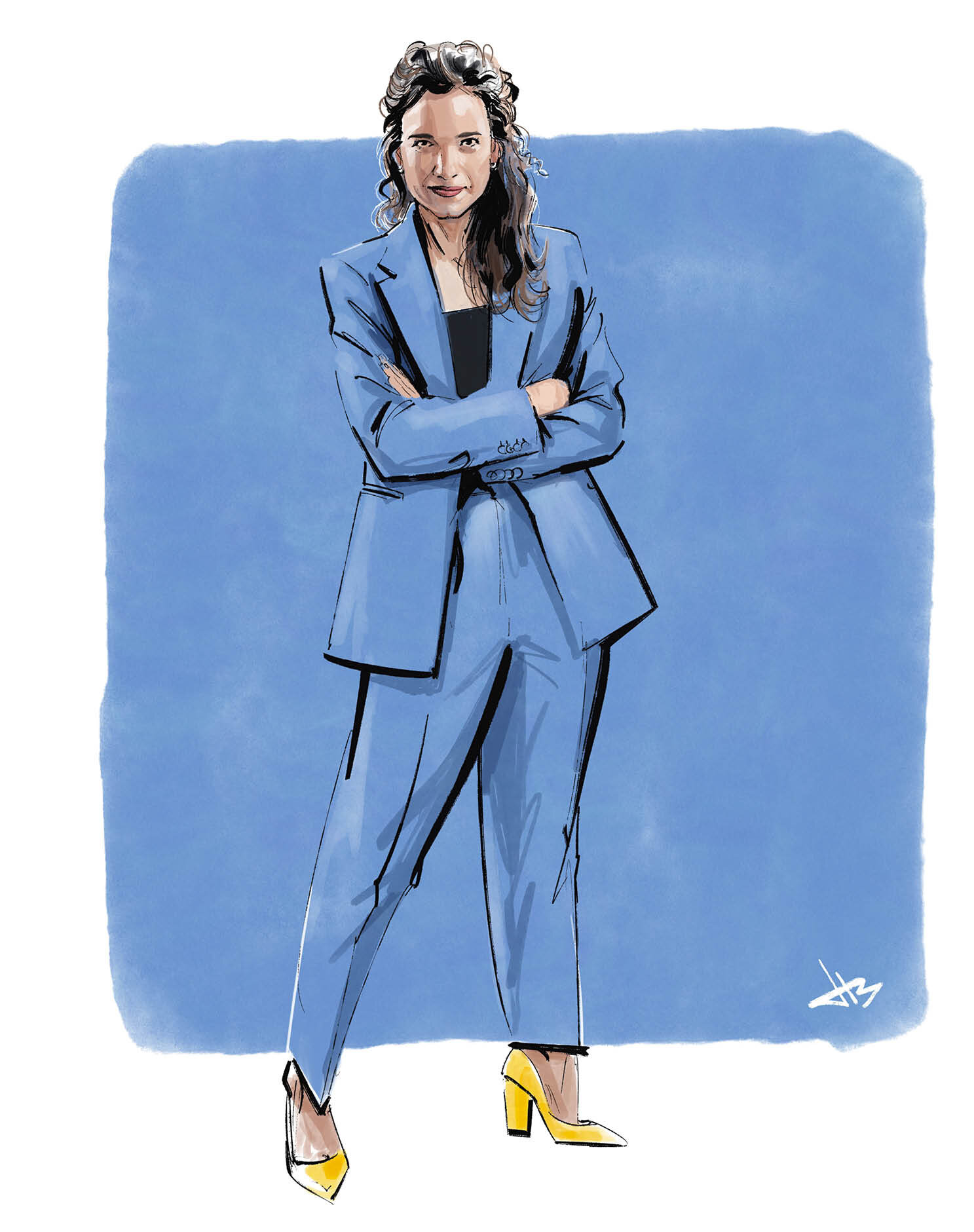
Isolde Van den Eynde
(39) political commentator at HLN/Het Laatste Nieuws
Shooting from the hip is not her style, but with sound arguments Isolde Van den Eynde is happy to voice a dissenting opinion. “Sometimes you know in advance that an article is going to cause quite a stir. I once wrote a commentary on a court case involving a gynaecologist accused of rape. When I looked into it, I felt something didn’t add up. After filing my piece, I deliberately switched off my phone and went offline.” She expected a storm, and it came: the article was very widely read and prompted many responses. “That’s not necessarily what I am aiming for, but as a commentator, you have to dare to take a clear position against public opinion.”
“Writing is often lonely, but I don’t want to work from an ivory tower”
Read more

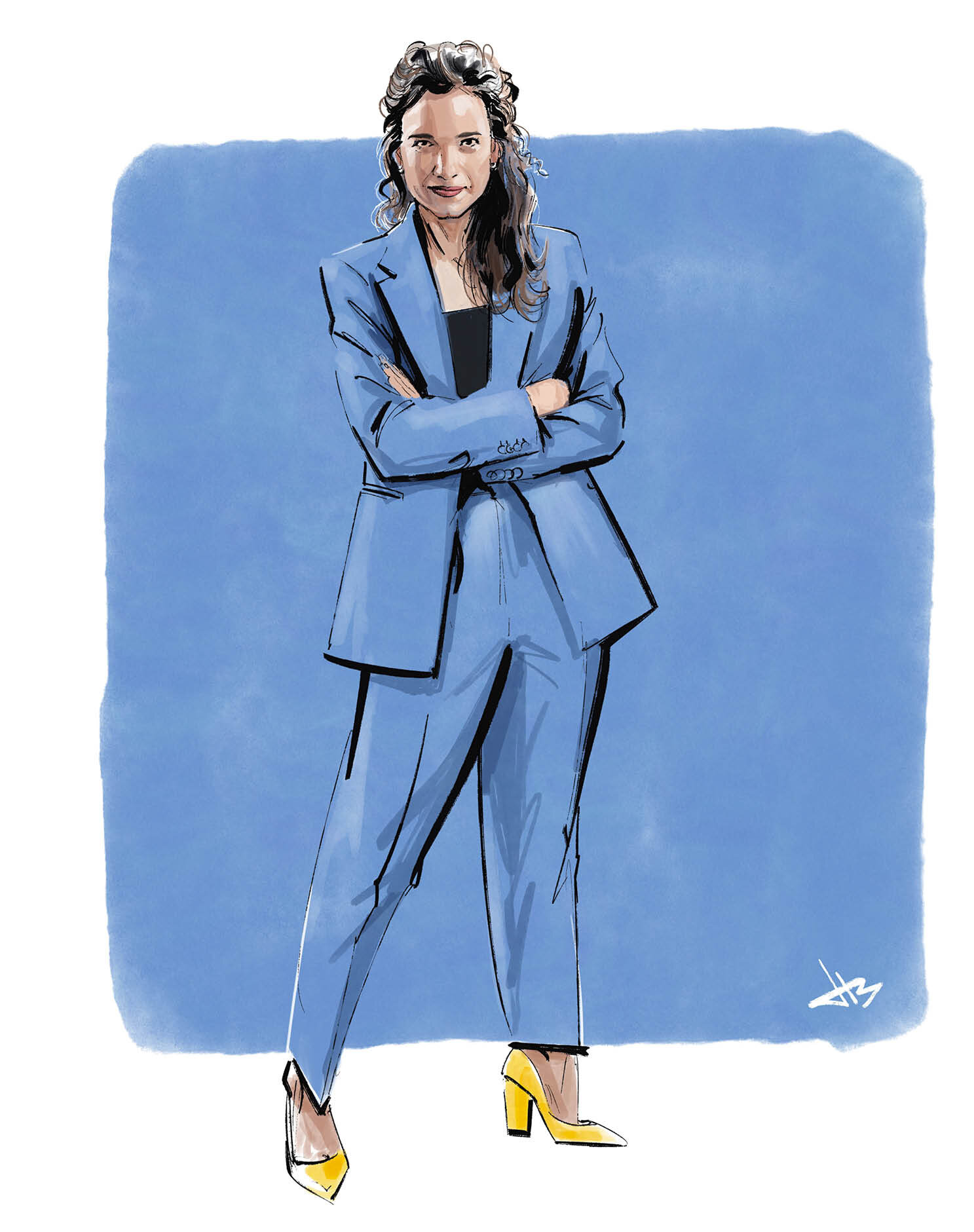
(39), political commentator at HLN/Het Laatste Nieuws
Isolde Van den Eynde
Shooting from the hip is not her style, but with sound arguments Isolde Van den Eynde is happy to voice a dissenting opinion. “Sometimes you know in advance that an article is going to cause quite a stir. I once wrote a commentary on a court case involving a gynaecologist accused of rape. When I looked into it, I felt something didn’t add up. After filing my piece, I deliberately switched off my phone and went offline.” She expected a storm, and it came: the article was very widely read and prompted many responses. “That’s not necessarily what I am aiming for, but as a commentator, you have to dare to take a clear position against public opinion.”
“Writing is often lonely, but I don’t want to work from an ivory tower”
As a commentator, she is acutely aware of her position; it is an important role. “At Het Laatste Nieuws, as political commentator, I am the successor to Jan Segers, my journalistic father and still a columnist for the paper. I look up to him because of the way he sees things and his intelligent humour. I don’t know whether I have that in me, but I’m more self-assured than when I started five years ago.”
Van den Eynde believes that this is due to the trust placed in her by the editorial team and to a way of working that suits her. “Writing is often lonely, but I don’t want to work from an ivory tower. I speak to colleagues and experts on the phone a lot, and I read extensively: Flemish, French-language and foreign newspapers, commentaries – and I also enjoy listening to podcasts.” And then the columnist’s “dysfunctional brain” starts working at full speed. “With everything I read, I think: is there a different angle here that I can use for my own commentary?”
“I don’t just call friends or people who think just like I do. I love disagreeing with other people, discussing things, debating.” Her other work as a podcast maker and TV guest helps with that too. “In a podcast, you can be a little more light-hearted. And I really enjoy television work: responding to the other person’s arguments, testing my own intellectual flexibility and that of my fellow panellists. It also helps the credibility of the newspaper. Het Laatste Nieuws is a broadly popular newspaper. If TV viewers see that you can debate in a way that goes beyond clichés, that can matter for the paper too.”
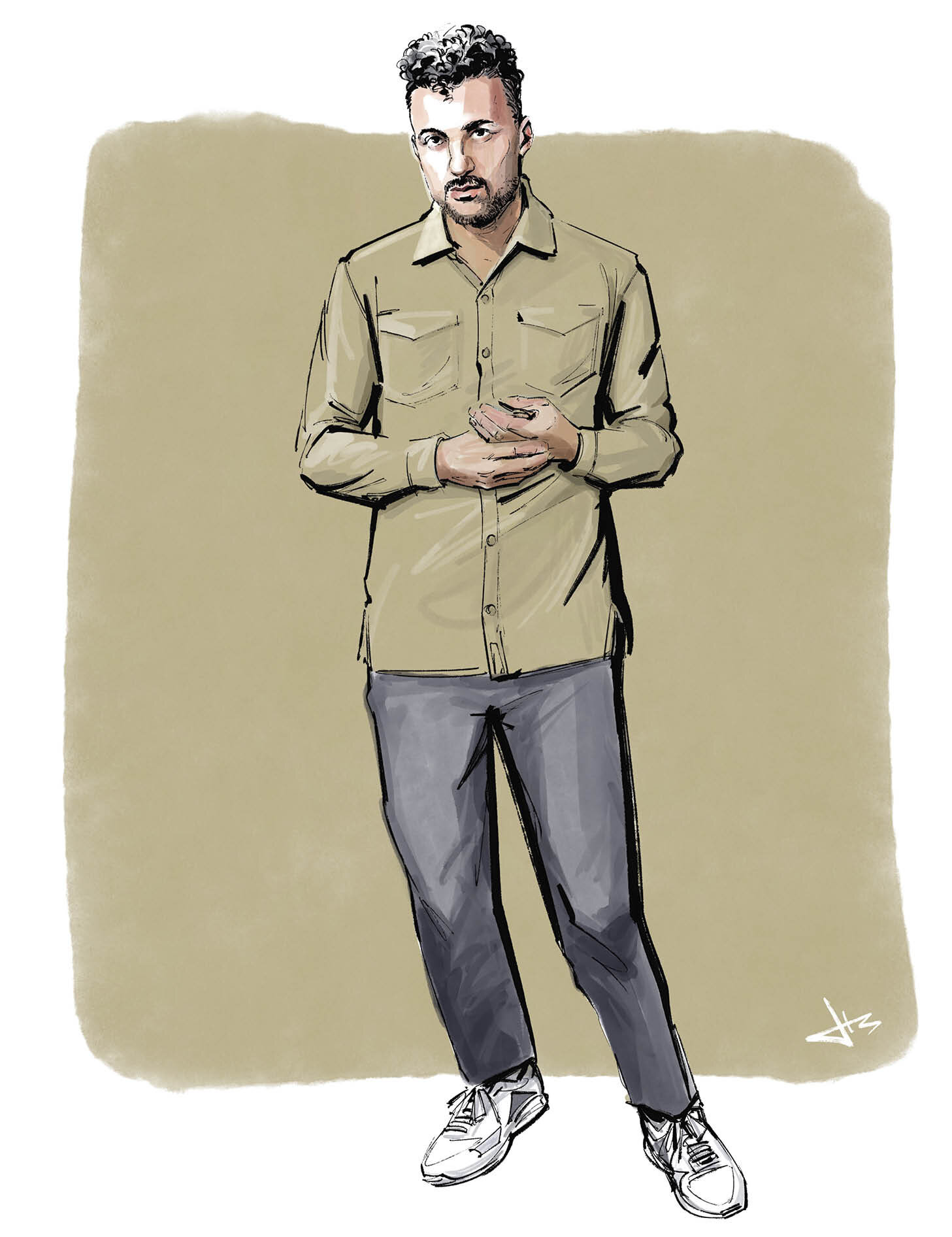
Özcan Akyol
(41), columnist at ADR (AD and regional titles)
In his columns, Özcan Akyol often stands up for “ordinary” people: cleaners, nursing staff and police officers. “I come from a working-class background myself. Although in practical terms I no longer belong to it, I still feel very closely connected to it and know exactly what is going on. My mother worked as a cleaner all her life, I still live in Deventer in the same neighbourhood where I grew up, I still play football with my old friends and I still sit in the regular stand at my club, Go Ahead Eagles.”
“As a columnist, you need something of Manchester United’s motto: ‘Hated, adored, never ignored’”
Read more
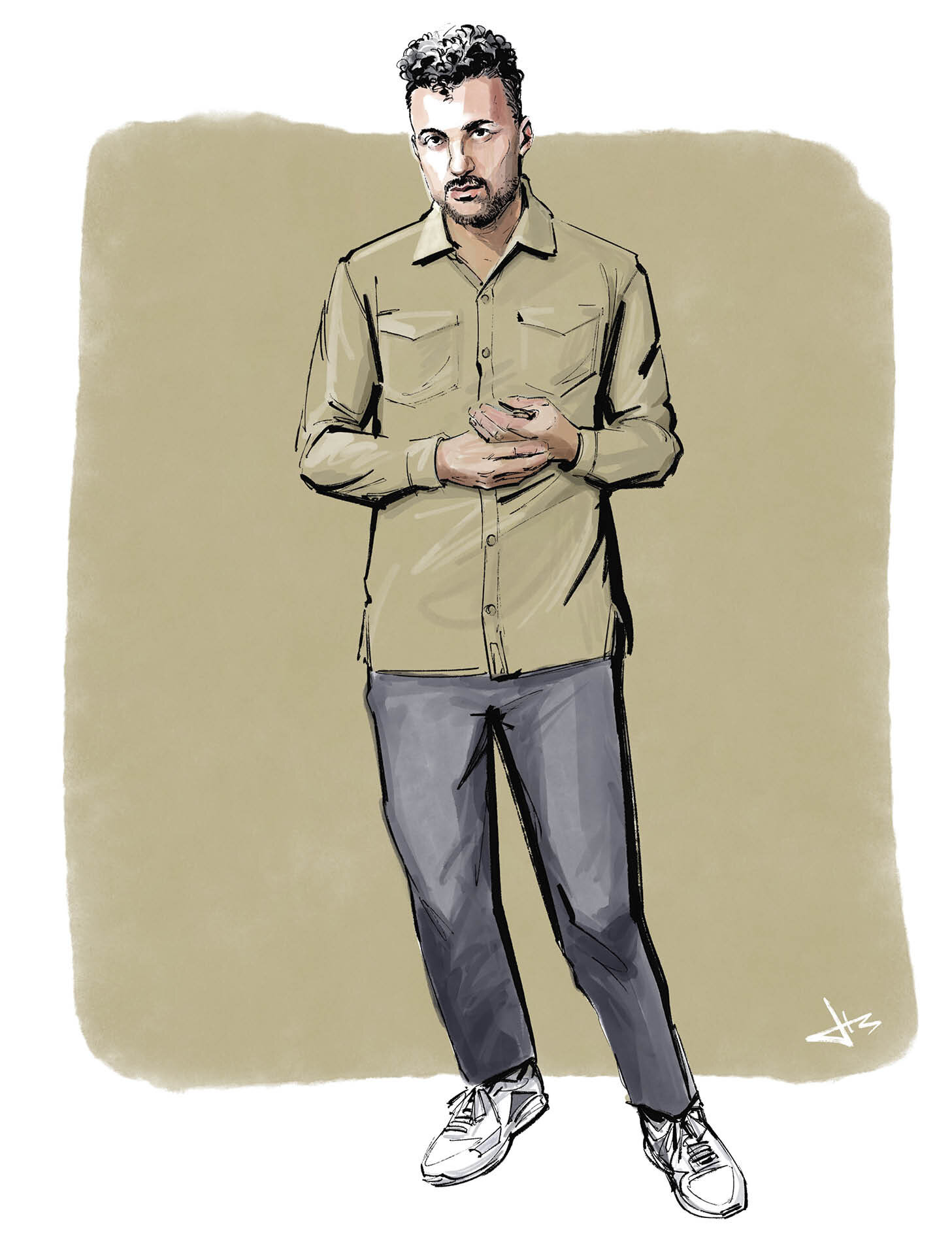
(41), columnist at ADR
(AD and regional titles)
Özcan Akyol
In his columns, Özcan Akyol often stands up for “ordinary” people: cleaners, nursing staff and police officers. “I come from a working-class background myself. Although in practical terms I no longer belong to it, I still feel very closely connected to it and know exactly what is going on. My mother worked as a cleaner all her life, I still live in Deventer in the same neighbourhood where I grew up, I still play football with my old friends and I still sit in the regular stand at my club, Go Ahead Eagles.”
“As a columnist, you need something of Manchester United’s motto: ‘Hated, adored, never ignored’”
‘Eus’ is both widely praised and heavily criticised. That is part of the job, according to Akyol, who will soon celebrate his tenth anniversary as a columnist at ADR. “As a columnist, you need something of Manchester United’s motto: ‘Hated, adored, never ignored.’ And in practice, that ‘hated’ is not too bad. I do sometimes get quite a lot of abuse, especially by email, but in everyday life I mostly meet very kind people. I like it when people respond, and I also take the time to reply to readers’ messages. Sometimes an angry person, after receiving a conciliatory email from me, suddenly writes back in a much milder tone and invites me for a cup of coffee. It’s remarkable how quickly the tone can change.”
“My columns can broadly be divided into two types: the reactive column, in which I respond to current affairs, and the agenda-setting column, in which I want to expose something or ask why a particular injustice is being ignored.” The latter type often has a follow-up, not infrequently in the form of a TV appearance. “When I email a column to the subs, I often already know that talk show editorial teams are going to call. Sometimes a column even leads to parliamentary questions.”
“Even after ten years, writing columns never feels like drudgery or routine: so much is happening in the world and we are living in extraordinary times. I don’t feel that I repeat myself, but there are topics I write about more often. Equal opportunities and encouraging reading, for example. The latter may not be a sexy subject, but I think it’s an underestimated issue. If one column leads five parents to start reading aloud to their child, you’ve achieved something too. I don’t write columns for instant applause; sometimes it’s a matter of planting seeds.”
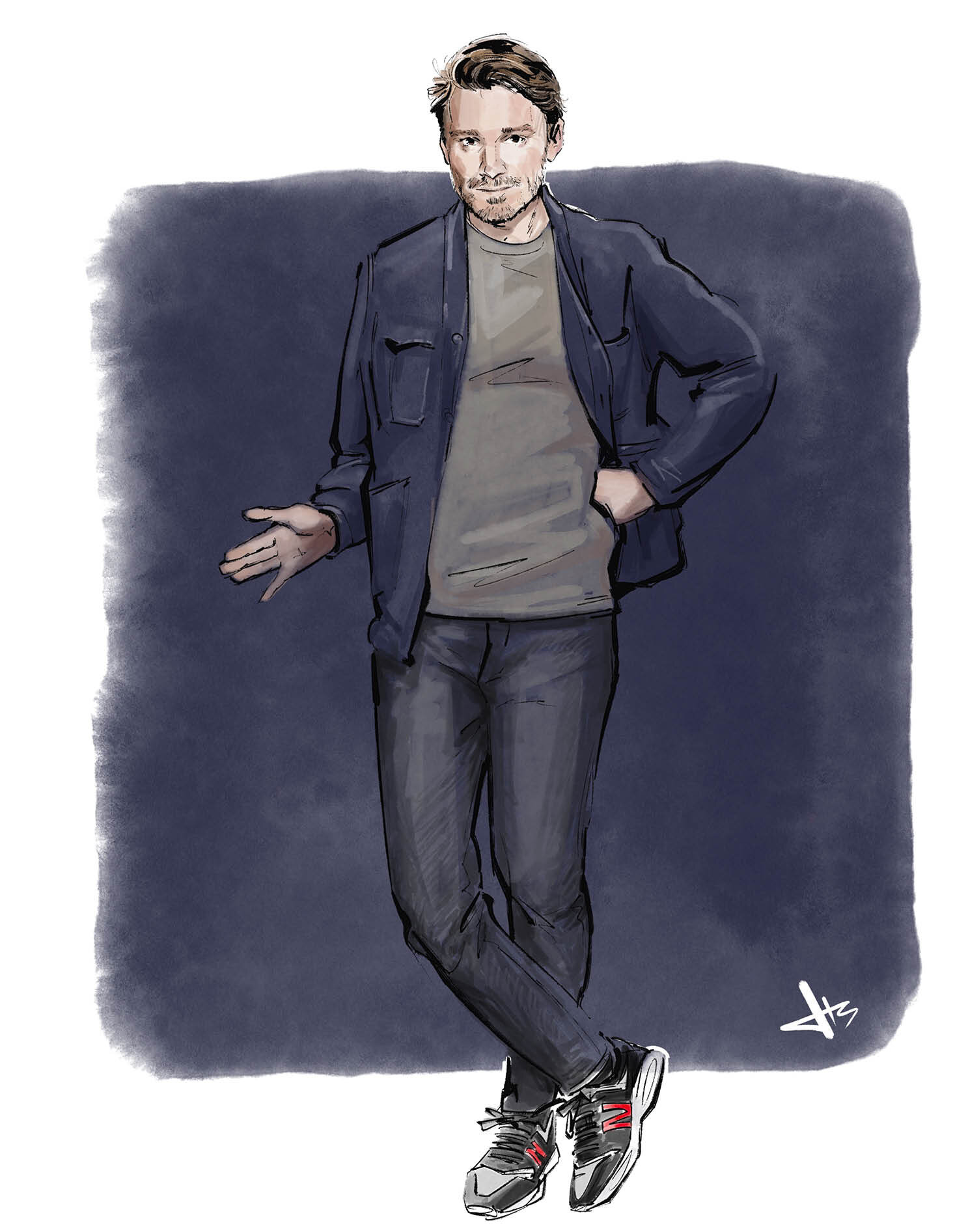
Sander Schimmelpenninck
(41), columnist at de Volkskrant
His columns are invariably among the most-read pieces in de Volkskrant; he has a loyal fan base and fervent critics. Sander Schimmelpenninck is not everyone’s cup of tea. Even so, he does not see himself as someone who goes in studs up against everything and everyone. “For me, a good column doesn’t always have to be provocative, but I do happen to write a political column. The rise of the radical right – that’s something you simply have to write about, in my view.”
“The rise of the radical right – that’s something you simply have to write about, in my view”
Read more
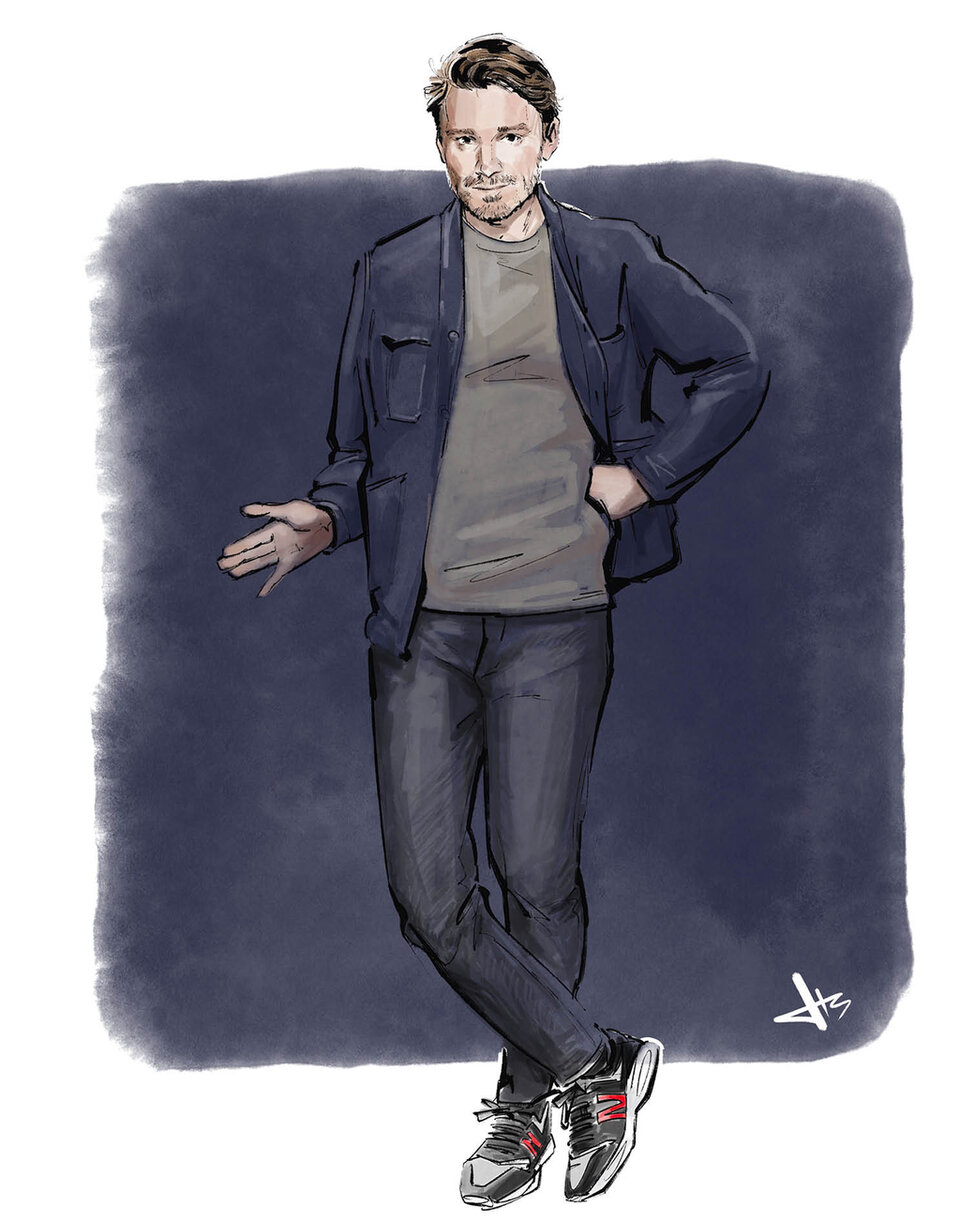
(41), columnist at de Volkskrant
Sander Schimmelpenninck
His columns are invariably among the most-read pieces in de Volkskrant; he has a loyal fan base and fervent critics. Sander Schimmelpenninck is not everyone’s cup of tea. Even so, he does not see himself as someone who goes in studs up against everything and everyone. “For me, a good column doesn’t always have to be provocative, but I do happen to write a political column. The rise of the radical right – that’s something you simply have to write about, in my view.”
“The rise of the radical right – that’s something you simply have to write about, in my view”
He sees it as a serious matter that he has become a kind of spokesperson willing to take on the far right, and that controversy erupts when he uses terms such as ‘stupid right-wing’, ‘fascists’ and ‘Gestapo’. Challenging factual falsehoods and dismantling misleading frames: that ought to be happening on a much wider scale. “It may seem as though I own the subject, but to me that says more about the laxness of other media. The reality is that, with everything happening in the US, Europe and the rest of the world, we’re living in extraordinary times. To me, it’s abundantly clear that this is what we should be talking about, both in the Netherlands and beyond.”
Because of his outspoken columns, he is subjected – alongside much praise – to abuse and worse. Schimmelpenninck is hardly fazed. “Of course, the first time you’re threatened, it shocks you, but you get used to it. Threats are also difficult to assess properly; usually it’s just loudmouths behind a fence.” Moreover, he believes some perspective is needed when a Dutch journalist has to deal with online abuse. “Fighting the Russians in Ukraine is two thousand times more dangerous than being a columnist.”
Schimmelpenninck does not consider himself the strongest columnist in terms of writing style. “I recently ran into writer Adriaan van Dis in Amsterdam. He said: ‘You write good columns, but you should read a book more often.’ He’s right about that. I’m not a literary writer or a classical intellectual who reels off beautiful quotations, but I do see through things quickly. And I write very quickly too.”
He does so on the basis of knowledge and experience, including through his podcasts. He feels completely at home in the opinion machine. “That’s also a kind of muscle you develop.” And when that muscle produces a spot-on column with a few sharp observations, he knows the feeling of triumph. “When I read it back, I sometimes think: yes, that was quite neatly put.”

